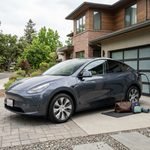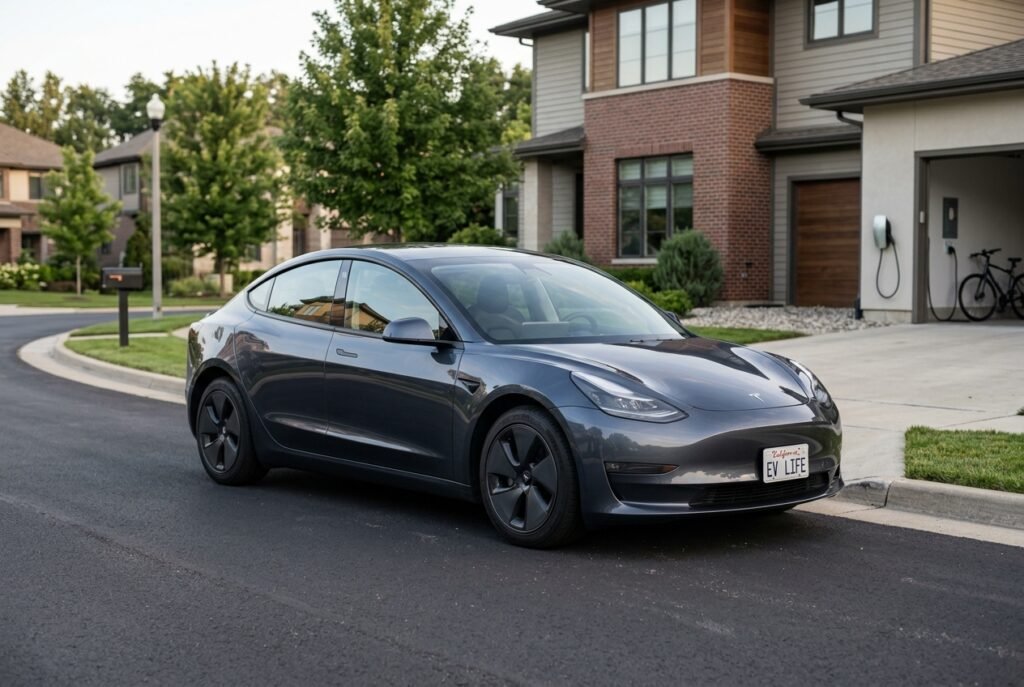

The Tesla Model 3 continues to attract buyers who want an electric car that combines modern technology, strong performance, everyday practicality, and potentially lower energy costs than a comparable gasoline vehicle. For many drivers in the United States, the Model 3 can be an appealing option for commuting, family use, and regular city or highway driving.
However, choosing a new car should involve more than looking at the vehicle’s appearance or advertised features. Buyers should consider charging access, insurance, financing, maintenance, driving habits, and the total cost of ownership before making a decision.
A Practical Electric Car for Daily Driving
One of the biggest advantages of the Tesla Model 3 is its sedan design. Compared with a larger electric SUV, the Model 3 can be easier to maneuver in urban areas and may be more suitable for drivers who do not need a large amount of cargo space.
Its electric powertrain also provides instant torque, which gives the vehicle responsive acceleration. Electric motors can deliver power smoothly without the traditional gear-shifting experience found in many gasoline-powered vehicles.
For daily commuters, the quiet operation of an electric vehicle can also make regular driving more comfortable.
Potentially Lower Energy Costs
Fuel costs are an important part of vehicle ownership. A Model 3 does not require gasoline, and owners can charge it using electricity.
The actual savings depend on local electricity prices, gasoline prices, driving distance, charging habits, and vehicle efficiency. Drivers who can charge at home may have an additional convenience because they can plug in the vehicle while it is parked instead of making regular trips to a gas station.
Before buying, compare your current fuel expenses with the estimated electricity cost of charging an EV based on your annual mileage.
Home Charging Can Make Ownership Easier
Home charging is one of the most important factors to consider before purchasing an electric vehicle.
If your home has suitable electrical infrastructure, charging overnight can fit naturally into a daily routine. You can return home, connect the vehicle, and have it charging while you sleep.
However, installation requirements and costs vary. Homeowners should determine whether their electrical system can support the desired charging equipment. Renters may also need permission from their property owner or building management.
If convenient home charging is not available, buyers should investigate public charging options near their home, workplace, and regular travel routes.
Modern Technology and Software
Tesla vehicles are known for their technology-focused interiors and software-driven features. The Model 3 uses a large central display for many vehicle functions and provides connected features designed around the digital driving experience.
Software updates can also introduce improvements or changes over time.
However, buyers should carefully check which features are included with the exact vehicle configuration they are considering. Features, software capabilities, subscriptions, and availability can vary by market and may change over time.
Maintenance Can Be Different From a Gasoline Car
Electric vehicles generally have fewer traditional powertrain components than gasoline-powered vehicles. For example, there is no conventional engine oil change required for the electric motor.
That does not mean an EV is maintenance-free.
Tesla owners still need to pay attention to tires, brakes, suspension components, cabin filters, windshield wipers, wheel alignment, and other maintenance requirements. Tire costs can also be important because EVs can be relatively heavy and provide strong instant torque.
Buyers should include normal maintenance and unexpected repairs in their ownership budget.
Insurance Is an Important Cost
One mistake some buyers make is calculating only the vehicle payment.
Insurance can represent a significant portion of the monthly cost of owning a vehicle. Tesla insurance premiums can vary according to the driver’s age, location, driving history, annual mileage, coverage limits, deductible, claims history, and the specific vehicle configuration.
Before purchasing a Model 3, it is smart to request insurance quotes from multiple providers.
Compare more than the premium. Look at liability limits, comprehensive and collision coverage, uninsured and underinsured motorist coverage, deductibles, and policy exclusions.
The cheapest policy is not always the best policy if it provides significantly less protection.
Financing Should Be Compared Carefully
If you plan to finance your Model 3, compare the annual percentage rate, loan term, down payment, fees, and total interest.
A longer loan can make the monthly payment appear lower while increasing the total amount paid over time.
Buyers should compare available financing options from Tesla, banks, credit unions, and other eligible lenders. Your credit profile and market conditions can affect the financing rate you qualify for.
Most importantly, calculate the complete monthly ownership cost rather than focusing only on the loan payment.
Who Should Consider the Tesla Model 3?
The Model 3 may be a good fit for drivers who:
- Have convenient access to charging
- Drive regularly for commuting
- Prefer a sedan instead of an SUV
- Want an electric driving experience
- Like technology-focused vehicle features
- Want to reduce dependence on gasoline
- Can comfortably afford the complete ownership cost
It may be less suitable for someone who regularly needs large cargo capacity, has no practical charging solution, or frequently travels to areas where charging access is limited.
Final Thoughts
The Tesla Model 3 can be an attractive choice for US drivers looking for a modern electric sedan. Its combination of electric performance, technology, quiet driving, and potential energy savings makes it worth considering.
But the smartest buying decision comes from looking at the complete financial picture. Before purchasing, compare the vehicle price, financing, insurance, charging expenses, maintenance, taxes, registration, and your expected annual mileage.
A Tesla should fit your lifestyle and budget—not simply look attractive on the showroom floor.
This article is for informational purposes only and does not constitute financial, insurance, legal, or automotive professional advice. Vehicle pricing, specifications, incentives, financing programs, insurance rates, features, and availability can vary by location and change over time. Buyers should verify current information before making a purchase.